1 min read
CIEE Retired Teach Abroad and TEFL — Here's What That Means for You
CIEE, one of the oldest names in international exchange, is winding down its Teach Abroad and TEFL certification programs. If you were planning to...
4 min read
Randy LeGrant
:
July 3, 2026
The Fourth of July is the one American holiday that doesn't travel well. Thanksgiving you can explain. Halloween has gone global. But the Fourth — hot dogs, fireworks, the particular smell of a backyard grill — is so tied to being in America that celebrating it somewhere else can feel a little absurd, and a little wonderful.
This year the pull is even stronger: July 4, 2026 marks the Semiquincentennial, America's 250th birthday. And yet, for the American teachers who spend a year (or a summer) abroad with us, the milestone Fourth arrives like any other day on the local calendar: shops open, traffic as usual, no one else marking the date. Here's what the holiday looks like across our seven program countries — and why the distance has a way of making the day mean more, not less.
Thailand. July lands in the green season: warm, wet, gloriously un-summery in the American sense. The Fourth passes unremarked in Bangkok and Chiang Mai, but both cities have enough of an expat and teaching community that you're never the only American in town. People improvise — a burger at a Western-style spot, a message thread that lights up with friends back home, a rooftop somewhere when the rain breaks. Thailand is also where the largest share of our teachers end up, so the odds of finding a fellow homesick American are high.
For many teachers, this is the first Fourth they've spent outside the country. Niles, teaching this summer in Bangkok, put it simply:
"This will be the first time I spend the Fourth of July away from the US. However, I am very happy to be able to spend it with the good friends I have made from around the world while teaching in Bangkok." — Niles
South Korea. Early July in Korea means jangma, the monsoon: humid, gray, not exactly fireworks weather. But Seoul's international neighborhoods make a stand-in cookout easy, and Korean barbecue is, if you squint, a cousin of the backyard grill — meat, smoke, a table full of people. The day itself slides by like any Wednesday, which is its own kind of clarifying.
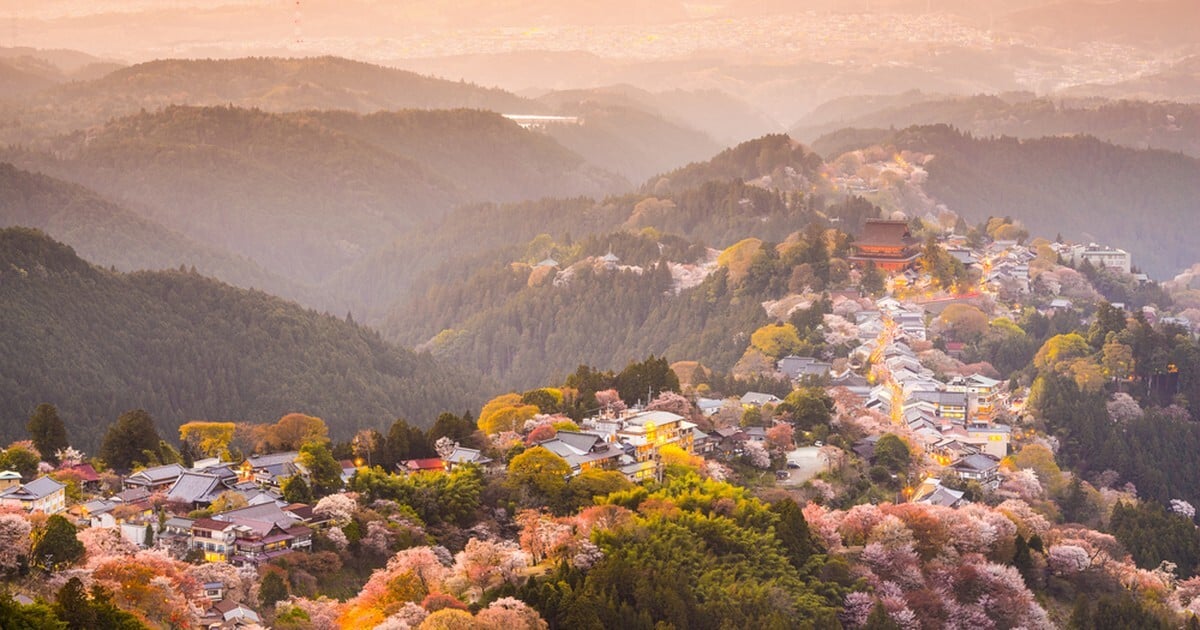
Japan. You hit the Fourth right as Japan tips into festival season. Tanabata falls on July 7, summer matsuri are starting up, and there's a good chance a lantern-lit street festival is happening near you within the week. It won't be your holiday, but it scratches the same itch — crowds, food stalls, warm nights — and reminds you that nearly every culture has its own version of gathering in the summer dark.
Vietnam. July is hot and rainy, and the Fourth is a normal working day. The consolation is the country's open-air evening culture: pull up a low plastic stool at a bia hơi corner, order the fresh draft, and you've got an unfussy, deeply social substitute for a cookout. Da Nang's beaches and the expat pockets of Hanoi and Ho Chi Minh City make it easy to find a few familiar accents.
Cambodia. The quietest of the seven on July 4 — Phnom Penh and Siem Reap carry on as usual through the rainy-season afternoons. But riverside bars and a tight-knit teaching community mean an impromptu gathering is rarely more than a text away. Here the Fourth tends to be low-key by necessity, and often better for it: a couple of friends, a long dinner, no pressure to perform the holiday.
Costa Rica. Green season, pura vida, and a large American expat presence make Costa Rica one of the gentler places to miss home. Beach towns can rustle up a cookout, and a casado with gallo pinto isn't a hot dog but does the job. The relaxed national tempo turns the Fourth from a spectacle into something simpler — a good meal, the ocean, people you've known a few weeks who already feel like a crew.
Spain. Spain may be the best-timed of all. Independence Day lands right as the country goes fully festive: San Fermín kicks off in Pamplona on July 6, fiestas erupt in towns everywhere, and the whole place is built for late dinners and longer nights on the terraza. You won't find fireworks for your holiday, but you'll be swept into someone else's celebration within days — which, depending on your mood, beats a backyard barbecue entirely.
Sometimes the two traditions simply sit side by side. Randy LeGrant, CEP's cofounder and Executive Director, is an American who lives in Henley-on-Thames, England:
"I'm an American, and for this 4th, I'll be entertaining guests — UK and USA — in my back garden, grilling hamburgers and hot dogs accompanied by a bottle of UK fizz. Five minutes away is the Henley Royal Regatta on the River Thames. It's hard to separate two such strong traditions. No need to fight it. Just enjoy it."
That's the whole art of it, really — whether you're in Henley, Bangkok, or San José.
What surprises most first-timers is how the day works on you. With no fireworks and no cookout, the Fourth stops being about the spectacle and starts being about the people you're suddenly far from — and the new ones you're sitting next to. Homesickness and belonging show up at the same table. That's the quiet trade at the center of teaching abroad: the farther you go, the more clearly you see what, and who, you came from.
See where you could be next Fourth of July →
Generally no. The Fourth of July is a normal working day in all seven CEP program countries — Thailand, Japan, South Korea, Costa Rica, Cambodia, Spain, and Vietnam — so teachers celebrate informally after class or on a weekend rather than getting the day off.
Most celebrate within local expat and teaching communities: Western-style restaurants, international neighborhoods, beach towns, or a simple dinner with fellow teachers. It tends to be low-key — shared food, a video call home, and new friends rather than fireworks.
CEP places native English speakers in paid teaching positions in seven countries: Thailand, Japan, South Korea, Costa Rica, Cambodia, Spain, and Vietnam.
It can feel strange at first, since the date passes unmarked locally. Most teachers find the absence of a big celebration makes the day more about connection — with friends back home and the new community around them — than about the holiday itself.
Yes. CEP offers both long-term placements and shorter summer programs. Many current U.S. classroom teachers join during their summer break, which is why summer cohorts skew toward working educators.
The Cultural Exchange Project is a 501(c)(3) nonprofit that has placed native English speakers in paid teaching positions abroad for decades. Programs in Thailand, Japan, South Korea, Costa Rica, Cambodia, Spain, and Vietnam.
1 min read
CIEE, one of the oldest names in international exchange, is winding down its Teach Abroad and TEFL certification programs. If you were planning to...
1 min read
How much do English teachers make in Thailand? Quick answer: English teachers in Thailand earn between $900 and $1,400 USD per month, depending on...
1 min read
As the air cools and the leaves start to turn, there’s something magical about autumn — a sense of change, of endings and new beginnings. While many...
1 min read
South Korea runs the best-paid entry-level teaching job abroad — free housing, reimbursed flights, national health insurance, a severance bonus. It's...
1 min read
Most articles about teaching English abroad are written by people guessing at who their readers are. We decided to stop guessing. We pulled the...
1 min read
Few experiences can be as life-changing as traveling. When done right, it opens up new opportunities and helps you embrace different lifestyles....