

5 min read

South Korea 2027 Intake: The Timeline Every Applicant Should Know Now

South Korea 2027 Intake: The Timeline Every Applicant Should Know Now
9:01

South Korea runs the best-paid entry-level teaching job abroad — free housing, reimbursed flights, national health insurance, a severance bonus. It's also the program with the longest runway. If you want a 2027 start, the work begins months before the intake. Here's the timeline, by track, so you don't miss your window.

Of every teach-abroad destination, South Korea is the one people wish they'd started sooner.

Not because it's hard to get into — thousands of new teachers do it every year — but because the package is good enough to be worth doing right, and doing it right takes time. Free housing. Up to $1,000 in reimbursed flights. National health insurance. A severance bonus of roughly a month's salary when you finish your contract. On a junior salary with rent at zero, many teachers in Korea save more than they could at home.

That's the reward. The runway is the catch. Korea's process runs four to six months from sign-up to arrival, and the intakes are fixed. Miss the document deadline and you don't get a late pass — you get the next intake, six months later.

So if South Korea is on your list for 2027, here's exactly what the year looks like.

First, know your track — the timelines are different

South Korea has two school systems, and they run on completely different clocks. Picking your track is the first decision, because it determines every deadline that follows.

Public schools (ALT positions) place you alongside a Korean co-teacher in a government school. Bigger classes, more structure, the most generous vacation (21–26 paid days), return flights covered, and a steady 8:30–4:30 day. These run on two fixed intakes a year — and they're the ones with hard deadlines.

Private academies (hagwons) are smaller language schools — classes of 5 to 15, solo teaching, 11 vacation days, and afternoon-to-evening hours for older-student academies. The advantage: rolling admissions, no fixed intake dates. You apply, and you're typically in country within three to four months.

The 2027 public school calendar

Public school positions are the ones to plan around, because the deadlines are real and they're earlier than people expect:

March 2027 intake — apply by December 1, 2026. This is the big spring intake and the one most 2027 applicants want. Backing up from a December 1 application deadline: if you're not yet TEFL certified, you'd want that underway in the early fall, and your apostilled documents moving by November. December feels far away in June — but the FBI background check, the federal apostille, and sealed transcripts don't move on your schedule.

September 2027 intake — apply by June 1, 2027. The fall intake, with the same process six months later. If a 2027 spring start is too soon, this is your second shot — but note it overlaps with graduation season, so the document queue gets crowded. Earlier is always better.

The hagwon option: start almost anytime

If those dates don't fit — or you simply don't want to wait for a fixed intake — the private academy route stays open year-round. Apply when you're ready, and plan on three to four months to placement. Smaller classes, a solo classroom, and far more flexibility on when you go. The tradeoff is fewer vacation days and, for older-student academies, a midday-to-evening schedule. Worth knowing before you choose.

What the four-to-six months actually involves

This is where Korea earns its reputation for paperwork — and where most missed intakes happen. The good news: it's the same sequence every time, and CEP walks through every step with you.

  1. Apply and confirm eligibility — usually within a few days of applying.
  2. Collect documents — degree apostille, criminal background check, health forms, passport photos. This is the slow part. You get a complete checklist; nothing gets missed.
  3. School matching and interview — CEP matches you to vetted partner schools and sets up the interview.
  4. E-2 visa issuance — typically two to four weeks once you're matched.
  5. Fly to Seoul — with airport arrival support, a pre-departure Korean language course already done, and an in-country orientation weekend in your first months.

The single most common reason people miss a Korea intake is starting that document process too late. Everything else is manageable. The paperwork just needs a head start.

Do you qualify?

South Korea's requirements are firmer than some destinations, because the visa demands it:

  • A bachelor's degree from one of seven countries: USA, UK, Canada, Ireland, Australia, New Zealand, or South Africa
  • Citizenship from one of those same seven countries
  • Native English fluency
  • A clean criminal background check (offenses are disqualifying)
  • TEFL certification of at least 120 hours — which CEP's TEFL Plus program includes, if you're not already certified
  • Age 21–40 (those 41–49 with a teaching degree and experience are considered case by case)

US citizens get a notable perk: a two-year Korean income tax exemption with a Residency Certificate. UK, Australian, NZ, and South African passport holders also qualify; Canadian and Irish citizens don't.

The takeaway

South Korea isn't the program you decide on in August and start in September. It's the one you plan. The teachers who land the March 2027 intake with their first-choice region are the ones who started gathering documents in the summer of 2026 — calmly, with months to spare.

If that's the year you've been picturing, this is the month to begin.

Apply now for South Korea → Or schedule a Zoom to talk it through →

Not sure you want to wait for a 2027 intake? Thailand's November semester and our rolling Vietnam placements can have you teaching this fall. See which countries still have openings in the fall.


Frequently Asked Questions

When should I apply to teach English in South Korea in 2027? For the March 2027 public school intake, apply by December 1, 2026. For the September 2027 intake, apply by June 1, 2027. Private academy (hagwon) positions have rolling admissions with no fixed deadline and typically place teachers within three to four months. Because the application process takes four to six months, earlier applications get better placement options.

What are the South Korea teaching intake dates for 2027? Public schools have two fixed intakes: March 2027 (apply by December 1, 2026) and September 2027 (apply by June 1, 2027). Private language academies hire year-round on a rolling basis.

How long does the South Korea teaching application take? Four to six months from application to arrival. The timeline covers document collection (degree apostille, criminal background check, health forms), school matching and interview, and E-2 visa issuance. The document stage is the most common cause of delay, so starting early is essential.

What are the requirements to teach English in South Korea? A bachelor's degree and citizenship from one of seven countries (USA, UK, Canada, Ireland, Australia, New Zealand, South Africa), native English fluency, a clean criminal background check, and TEFL certification of at least 120 hours. The eligible age range is 21–40, with case-by-case consideration for ages 41–49 who hold a teaching degree and experience.

How much do English teachers earn in South Korea? Salaries run $1,600–$1,900 per month, with free housing, flight reimbursement up to $1,000, national health insurance, and a severance bonus of roughly one month's salary per completed year. With rent-free housing and low living costs, many teachers save $400–$1,000 per month. US citizens may claim a two-year Korean income tax exemption.

What's the difference between public school and hagwon teaching jobs in Korea? Public school (ALT) positions place you with a Korean co-teacher in larger classes of 25–30, with 21–26 vacation days, return flight reimbursement, and fixed March and September intakes. Private academies (hagwons) offer smaller classes of 5–15, solo teaching, 11 vacation days, rolling start dates, and afternoon-to-evening hours for older-student programs.


The Cultural Exchange Project is a 501(c)(3) nonprofit that has placed native English speakers in paid teaching positions abroad for decades. Programs in Thailand, Japan, South Korea, Costa Rica, Cambodia, Spain, and Vietnam. Our South Korea program is rated 9.8/10 on GoAbroad.com.

Teach In Thailand--Our January 2012 Group Of Teachers

1 min read

Teach In Thailand--Our January 2012 Group Of Teachers

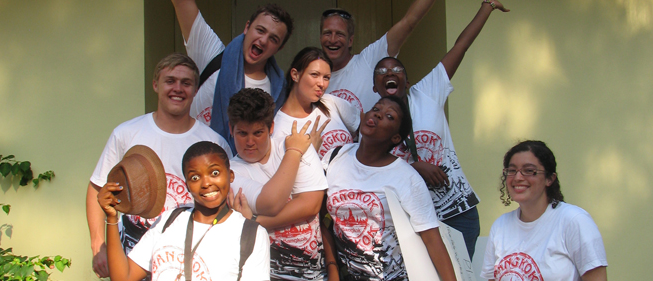
It all began on Sunday January 8th, 2012. The January intake group for GeoVisions' Teach in Thailand program met Kevin and Jaco in the lobby of the...
Read More
From A GeoVisions Alumni - Teaching Abroad in South Korea

1 min read

From A GeoVisions Alumni - Teaching Abroad in South Korea

What was the most difficult part about leaving home and your comfort zone to embark on your program in South Korea?

Read More
Teaching English in Thailand: What You'll Actually Earn, Spend, & Save

1 min read

Teaching English in Thailand: What You'll Actually Earn, Spend, & Save

How much do English teachers make in Thailand? Quick answer: English teachers in Thailand earn between $900 and $1,400 USD per month, depending on...

Read More
Teaching Abroad in South Korea: From Dream to Reality

1 min read

Teaching Abroad in South Korea: From Dream to Reality

I opened my browser and typed the words “teaching abroad in South Korea." This was something I have always fantasized about doing, but never had the...

Read More
Teaching in Thailand This November? Semester 2 Hiring Window Opening

1 min read

Teaching in Thailand This November? Semester 2 Hiring Window Opening

Thai schools start Semester 2 in the first week of November. If you want to be standing in front of a classroom when it does, your application needs...

Read More
Meaningful Travel: New Cultures With The Cultural Exchange Project

1 min read

Meaningful Travel: New Cultures With The Cultural Exchange Project

Few experiences can be as life-changing as traveling. When done right, it opens up new opportunities and helps you embrace different lifestyles....

Read More